
Dream of Wild Health
Capital Campaign
Center for Native American Food Sovereignty
Dream of Wild Health is an intertribal nonprofit, operating a 30-acre farm in Hugo, Minnesota with an office in Minneapolis. Our mission is to restore health and well-being in the Native Community by recovering knowledge of and access to healthy indigenous foods, medicines and lifeways.
Our Vision
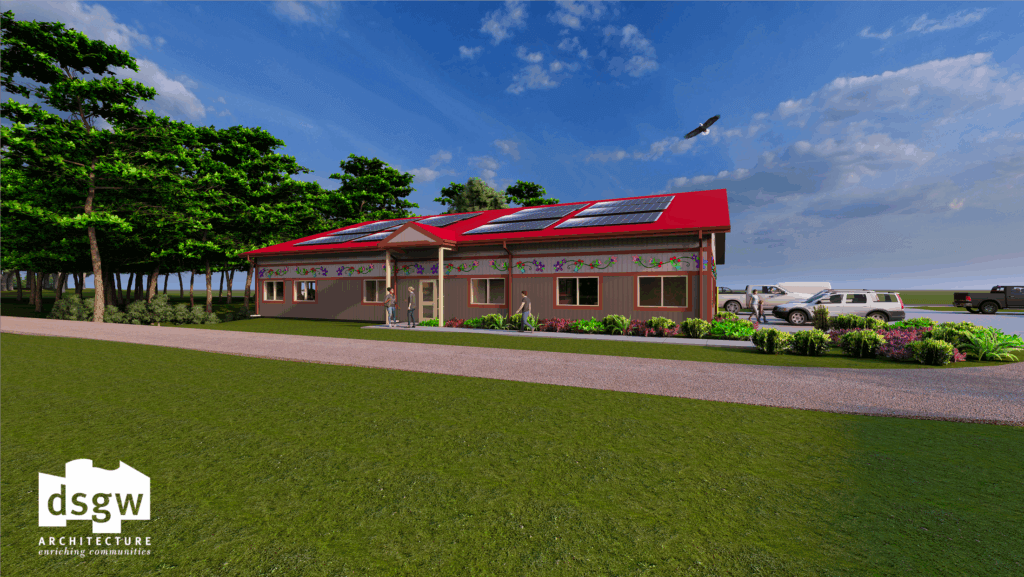
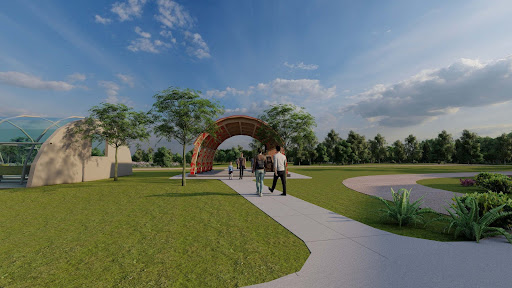
With the final phase of construction of the Center for Native American Food Sovereignty (pictured above) and the expansion of our farm to help young emerging Native farmers, Dream of Wild Health is creating a space where Native people of all ages can gather and learn. Our vision is to serve as an urban hub within a regional network of hubs and interconnected frame work, building a modern system of food sovereignty and security. This expansion will reconnect our people to traditional lifeways through food, ceremonies, seasonal activities, and cultural teachings all year round.
Looking ahead, we will grow the number of Indigenous farmers in our region, expand youth leadership programs, and model a regenerative relationship with the land that both adapts to and mitigates the impacts of climate change. Through these efforts, we will strengthen community health, preserve cultural traditions, and ensure that future generations have access to the knowledge and resources they need. This project heals the land by integrating agroforestry, prairie restoration, seed saving, and year‑round cultivation, demonstrating regenerative practices that adapt to the climate crisis.
Why Now?
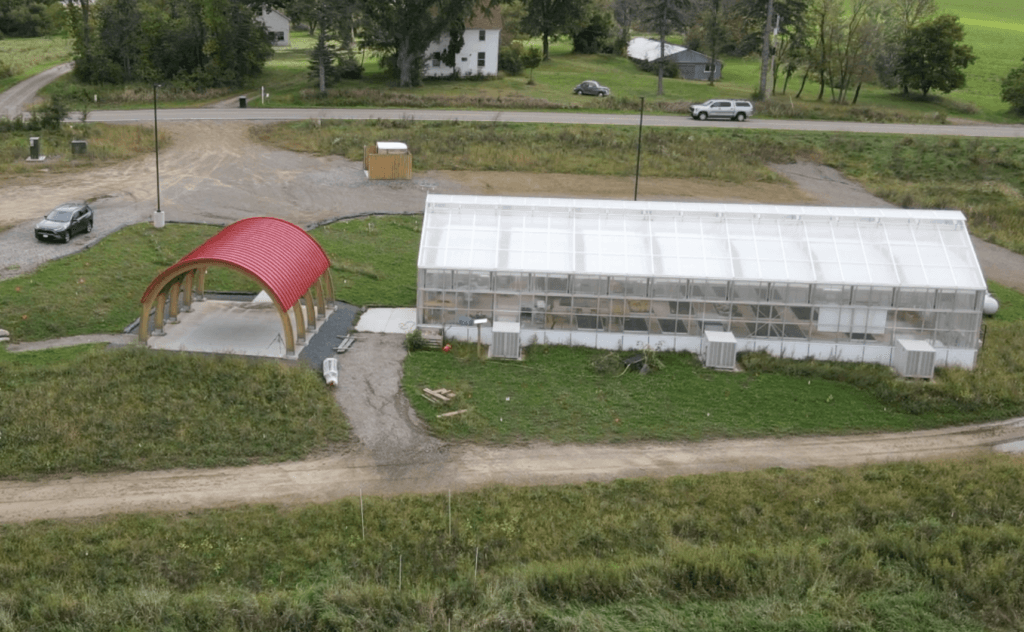
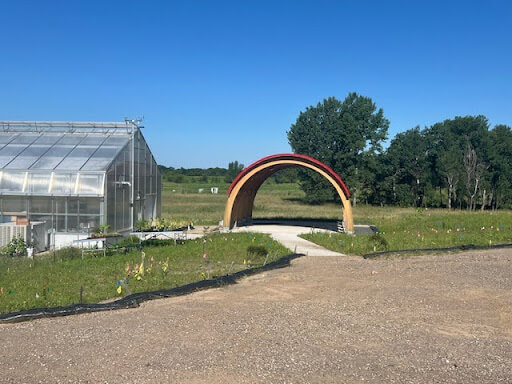
We have already accomplished so much. With your support, we have built a state-of-the-art greenhouse, an outdoor classroom and pavilion, and a ceremonial fire pit. We’ve planted over 2,000 trees and over 4,000 other native plants.
Now, we are ready to take the next step. Our new building will feature a state-of-the-art teaching kitchen and post-harvest handling facilities where Indigenous chefs, farmers, and youth can prepare, preserve, and share culturally significant foods. Our expanded fields will include incubator farms for emerging Native farmers, seed production plots, and market farm produce areas supported by an irrigation system powered by renewable energy.
The land will be planted with a rich diversity of native plants and designed to support wildlife through a carefully planned corridor that welcomes animal visitors while protecting food meant for people. Native and food-producing tree species will provide shade, windbreaks, carbon sequestration, and sustenance for both people and wildlife, building a living, breathing ecosystem.
This farm will serve as a blueprint for how to live, grow, and share food in ways that heal the earth, honor cultural traditions, and adapt to a changing climate. In this next phase, we will be able to return even more seeds to their ancestral homes, supporting the healing of our people, our land, and our food systems.
What we have done so far
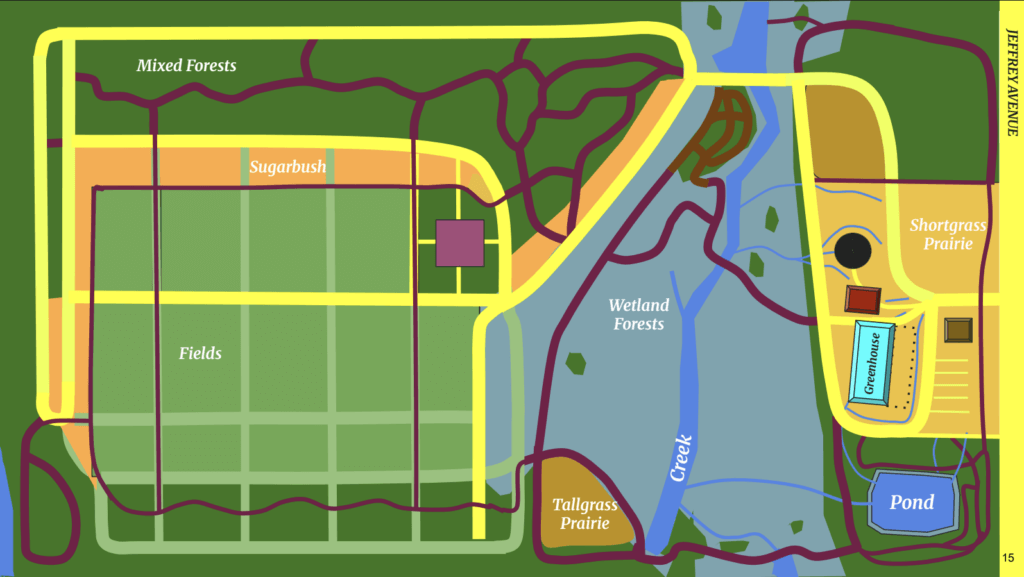
In 2020, Dream of Wild Health (DWH) purchased 20-acres of farmland adjacent to our existing 10-acre DWH Farm in Hugo, Minnesota. This acquisition spearheaded a series of additional investments in our mission, programs, and long-term vision, including:
- Infrastructure to support the additional acres and connect to our existing land. This includes roadways and utilities.
- A state-of-the-art greenhouse designed to extend the growing season and better control the weather-related variables that impact planting and our youth programs.
- An outdoor pavilion and ceremonial fire pit to enhance our youth programs and daily activities and cultural events at the farm.
- Incubator plots of land which will be used for training and supporting emerging farmers in the future.
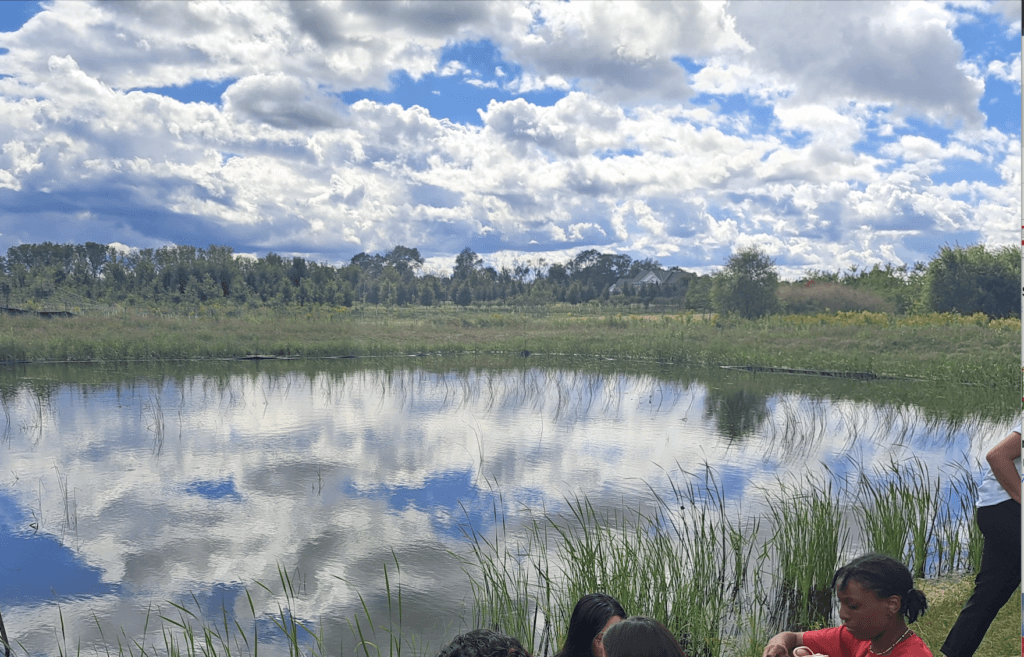
- Planting over 6,000 food-producing plants, medicinal plants, and trees.
What happens next?
To complete our vision for the DWH Farm and maximize its economic and cultural impact, Dream of Wild Health is focused on raising the necessary funds to complete Phase II of our Campaign. Specifically, Phase II will support construction of two additional buildings:
- A community center with a commercial training kitchen, multi-purpose community room(s), office space, and a commissary & processing space.
- A pole barn with space for vegetable and fruit processing, tool and equipment storage, and a climate-controlled break area for staff, volunteers, and program participants.
Our progress since 2021
Help Us Cross the Finish Line!
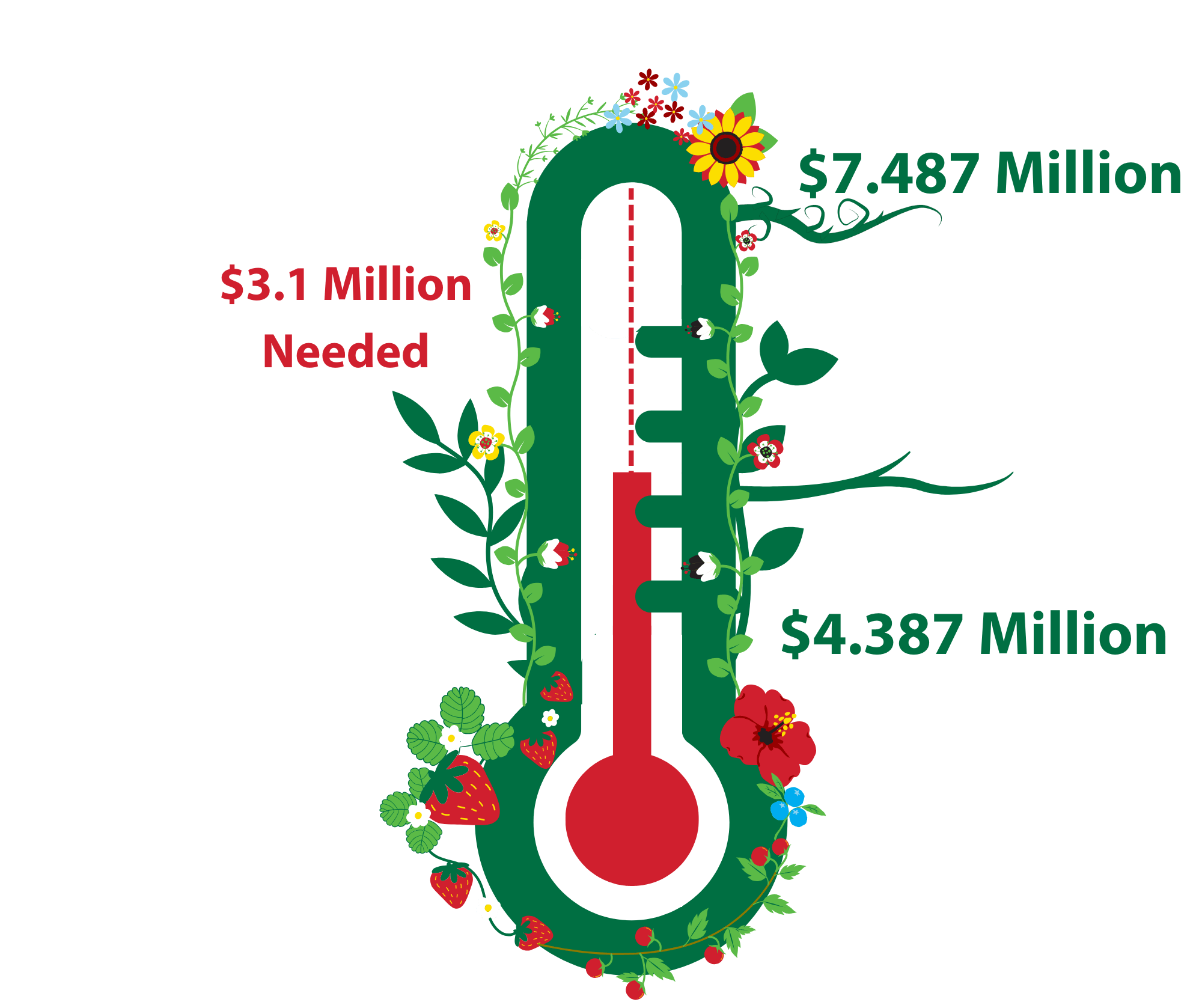
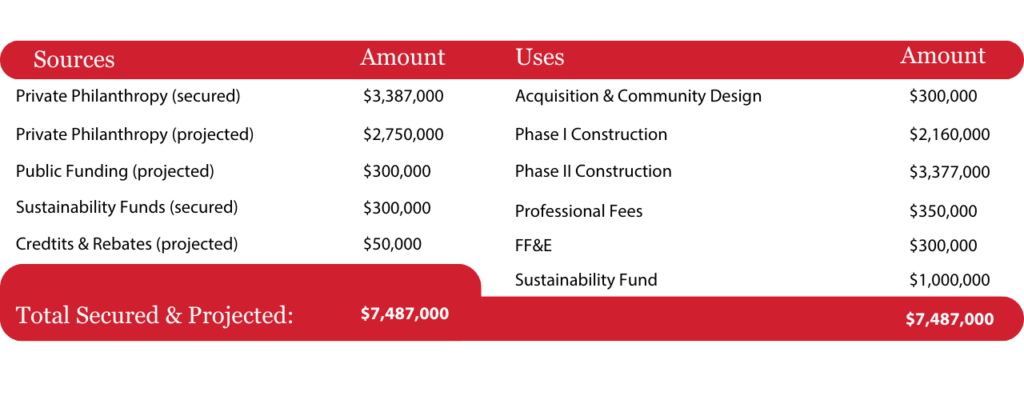
Now in the final phase of our Capital Campaign, we have raised $4,387,000 of the $7,487,000 we need to build the Native American Food Sovereignty Center and expand our farm. This transformational project will provide space for Native youth, families, and Elders to connect with traditional lifeways, grow healthy foods, and strengthen our community for generations to come.
Thank you to our generous donors for helping us reach our goals!
About the Capital Campaign
The Center for Native American Food Sovereignty is a 5,525‑square‑foot hub featuring a teaching/commercial kitchen, food processing and packaging space, flexible classrooms, and administrative offices. It anchors our expanded farm and connects youth, Elders, and Native‑led partners through culture‑based learning and healthy food access.
Project Timeline
2004–2019
- DWH acquires the original 10‑acre farm; land restoration and cultural programming begin.
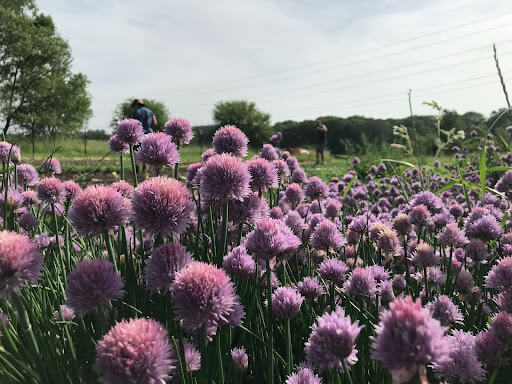
- Pollinator prairie re‑established; annual fields and orchards cultivated with Tribal and organic methods.
March 2020
- 20‑acre property purchased; strategic planning with staff, Elders, partners, and Native youth begins.
2022
- Formal site work assessment, utility mapping, soil testing, and cover cropping to heal the land.
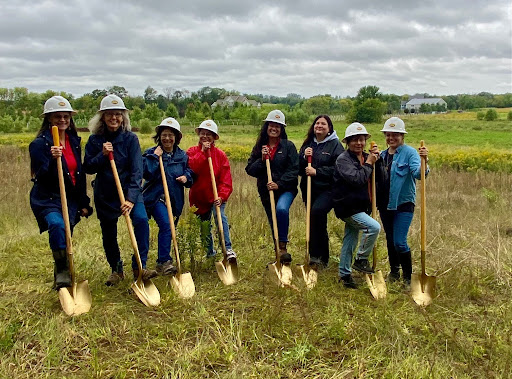
- Turning‑of‑the‑Soil ceremony (September).
2023
- Roadways, utilities, parking, and pathways completed.
- 710‑sf outdoor pavilion (year‑round classroom and gathering space) constructed.
2024
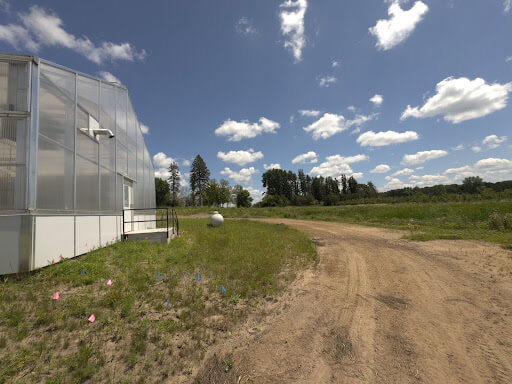
- 2,600‑sf advanced greenhouse built with climate controls to strengthen seed and seedling production.
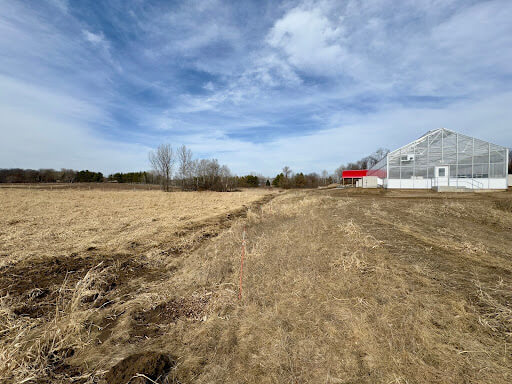
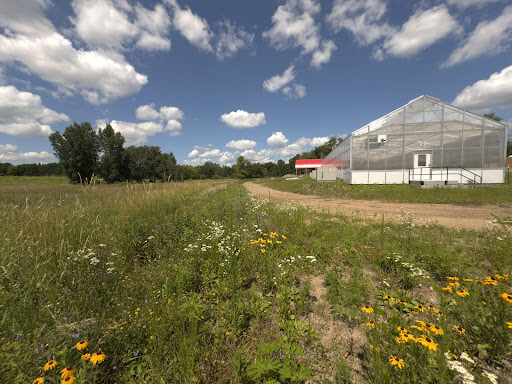
- 250+ native species and 100 maple trees planted; wildlife corridor and trails established.
2025
- Food production expands onto new acreage; regenerative practices scaled.
- Final campaign phase to complete the 5,525‑sf Center for Native American Food Sovereignty.
Budget Summary
View or Download our Brochure
Ways to Give
For more information or to make a gift, contact Neely Snyder or donate online.